
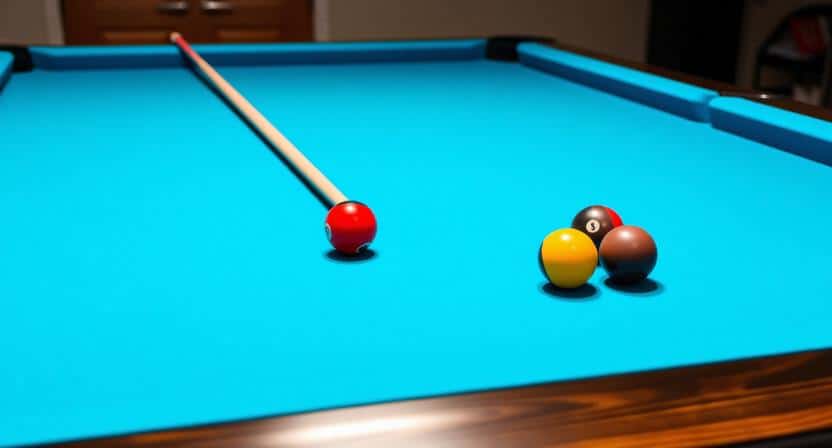
A pool cue is one of the most important pieces of equipment for anyone who enjoys playing pool. Whether you are a beginner learning the basics or an experienced player looking to improve your performance, choosing the right cue can make a noticeable difference. The right pool cue should feel comfortable in your hands, match your playing style, and provide the control you need for accurate shots.
One of the first things to consider when selecting a pool cue is its weight. Pool cues are available in different weights, and personal preference plays an important role. A lighter cue can feel easier to control for some players, while a heavier cue may provide a stronger and more stable feel. Beginners may want to try several weights before deciding which one feels most natural.
The length of a pool cue is another important factor. A standard cue works well for most adults, but players should also consider their height and available playing space. A properly sized cue allows comfortable positioning and helps maintain a consistent stance during shots. If you frequently play in a smaller room, cue length can become especially important.
The tip is also a key part of a pool cue. Cue tips are generally made from leather and come in different levels of hardness. Softer tips can provide more grip and may help players apply spin to the cue ball, while harder tips can offer a firmer hit and longer-lasting performance. The best option depends on your technique and preferred style of play.
The shaft of a pool cue can influence accuracy and feel. A smooth, well-maintained shaft allows the cue to move comfortably through your bridge hand. Players may choose between traditional wood shafts and modern low-deflection designs. While advanced materials can offer specific performance benefits, a high-quality wooden cue can still be an excellent choice for players at many skill levels.
The construction and balance of a pool cue should also be considered. A well-balanced cue can make it easier to maintain a consistent stroke. When holding a cue, pay attention to how naturally it rests in your hand. If it feels comfortable and stable without requiring excessive effort, it may be a good match for your playing style.
Finally, consider your budget and how often you play. Beginners do not necessarily need the most expensive pool cue available. A reliable, well-constructed cue can provide excellent performance while allowing a new player to develop proper technique. More experienced players may choose specialized cues with advanced features that suit their individual preferences.
Choosing the right pool cue is ultimately a personal decision. Weight, length, tip, shaft, balance, construction, and comfort all contribute to the overall playing experience. Taking time to compare different options and test how each cue feels can help you find equipment that supports greater confidence, consistency, and enjoyment at the pool table.